Winter does not just change the weather. It changes the yard.
One week your dog walks the same paths like a creature of habit. The next week there is a snowbank piled along the driveway. It looks harmless. Kind of pretty, honestly. And then your dog uses it like a ramp.
That is where the trouble starts.
In Greater Cleveland, winter brings drifts, plowed piles, and those weird half melted mountains that sit by the road for days. Your yard can shrink or expand depending on where the snow lands. Dogs notice that change. They also notice the scents that come with it. Fresh snow has new smells. Animals move differently. Everything feels new again.
And a dog that feels curious can get bold.
A hidden fence can help because the boundary does not depend on what the snow looks like on top. The boundary wire sits in the ground, and the receiver collar reads that signal as your dog approaches the boundary. Snow can cover the yard, but the signal still sits where it belongs.
Still, winter has a way of making even a well-trained dog test the edges. So this post is about real world winter containment, not the perfect version.
Why snowbanks change dog behavior
Snow piles can create new “paths” that did not exist in the fall. A dog that never got close to the street might now reach the top of a drift and see over a hedge. That view matters. Dogs are visual learners too.
They also move faster on packed snow than you think. Not every step is slippery. Some dogs treat winter like a race.
But here is the subtle one. Winter makes boundaries less obvious. Your dog cannot see a property line under snow. They go by memory and scent. If a scent trail leads toward the road, some dogs follow it without hesitation.
Did you know
Did you know: DogWatch Cleveland is locally owned and offers multiple
outdoor hidden fence
systems, including ProFence, ProFenceX, and 1200Fence, plus training support. That local support helps most during weather swings, when your dog suddenly acts different in the yard.
A winter safety checklist that actually gets used
You do not need a ten-page plan. You need a few things that you will do even on a busy week.
1) Walk the yard after a heavy snow.
Look for new “launch points.” Snowbanks near the street and near gates are the big ones. If a drift creates a direct line to a road, break it down with a shovel. Ugly. Effective.
2) Revisit your dog’s boundary habits.
If you trained last year and your dog has been solid ever since, that is great. Then winter hits and the dog tries something new. It happens.
A quick refresher helps. Use the same calm tone you used during training. Keep sessions short. Quit while it still feels easy.
3) Pay attention to speed.
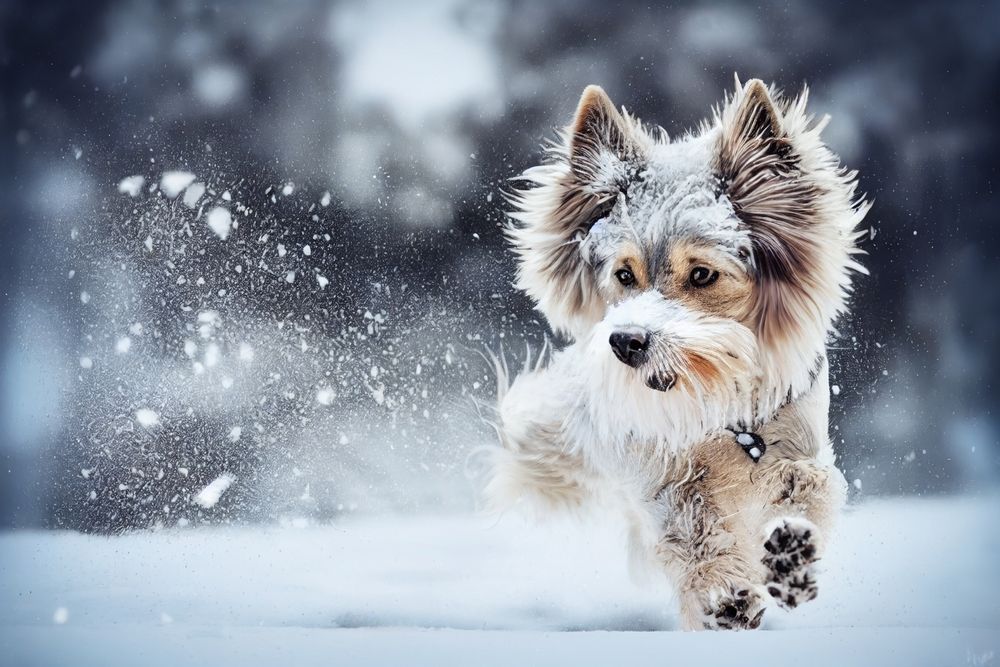
Some dogs blow through boundaries when they hit high speed. That is not “disobedience.” It is momentum plus excitement.
That moment is frustrating. I get it. Then the worry hits.
The fix usually starts with training refreshers and proper collar fit. If you want help, we can guide you through it.
Pro tip: Put training flags back out for a week after a major snow event. Flags give your dog a visual anchor when the yard looks unfamiliar. Short sessions. A few minutes. Done.
What about plows and digging
People ask this a lot in winter. “Can snowplows hurt the wire?”
Most of the time, your boundary wire sits deep enough to avoid surface disruption. Trouble happens when there is actual digging, driveway work, utility work, or aggressive landscaping. If your property needs winter work, tell the crew where your boundary runs. If you are not sure, ask us.
When your dog tests the line and your stomach drops
That feeling is real. You watch your dog push toward the boundary, then your brain goes straight to the worst-case scenario.
But here is the calmer truth. Dogs do this sometimes. Especially in winter.
The goal is not perfection. The goal is a dog that understands the rule and respects it, even when the yard looks like a new planet.
If your dog keeps challenging the boundary, reach out. We can help you troubleshoot and adjust the plan. Local support matters right here, not later.
CTA: Want a winter checkup or training refresher? Contact DogWatch Cleveland and we’ll help you get your system and your dog back to steady.